Many whānau worry about whether their child is eating enough or eating the right foods.
If your child is a” fussy eater” you’re not alone. Fussy eating is very common especially in preschoolers and it’s very normal for them to dislike some foods. When adults respond calmly and with respect, we support children’s nutritional needs and their wellbeing.
Why are children fussy eaters?
Fussy eating is often a developmentally normal stage, particulary between ages 2-6yrs.
Developmental independence - saying “no” as a way of testing boundaries
New food anxiety – unfamiliar foods feel unsafe
Heightened senses – children may be more sensitive to taste, smell, texture.
Previous pressure or stress around food
Appetite fluctuations – growth is not linear; hunger changes day to day.
Here are some tips for parents/whānau that we use at Uplands Kindergarten:
Trust children’s appetite
Children are very good at regulating their own intake when pressure is removed. Look at eating patterns over time, not just one meal.
Try to avoid children filling up on drinks such as milk before meals – offer these at the end of the meal instead to help with appetite.
You decide what & when, children decide if and how much
Making mealtimes feel safe, calm and predictable can ease children’s anxiety around food and more likely to eat.
Keep offering, without pressure
It can take 10-20 exposures to a new food for a child to feel comfortable with it. Seeing it on the plate counts – even if they don’t eat it.
Eat together & eat the same
Children learn by watching. When adults enjoy a variety of foods without pressure, chidlren notice. Offering different meals for adults and children can sometimes encourage fussy eating.
Slow down and eat as a family; encourage conversation. Remove distractions like TV or screens. Connection is key. At kindergarten teachers always eat with children and have conversations that recreate a whānau setting.
Talk about food without judgement
Using neutral langauge like:
“This carrot is crunchy”
“This icecream is cold”Avoid “You’ll like it” or “That’s yucky”
Invite children into food preparation
Washing vegetables,growing vegetables in the garden, stirring, setting the table or chopping fruit or veges increases interest and ownership.
Make it fun, interesting
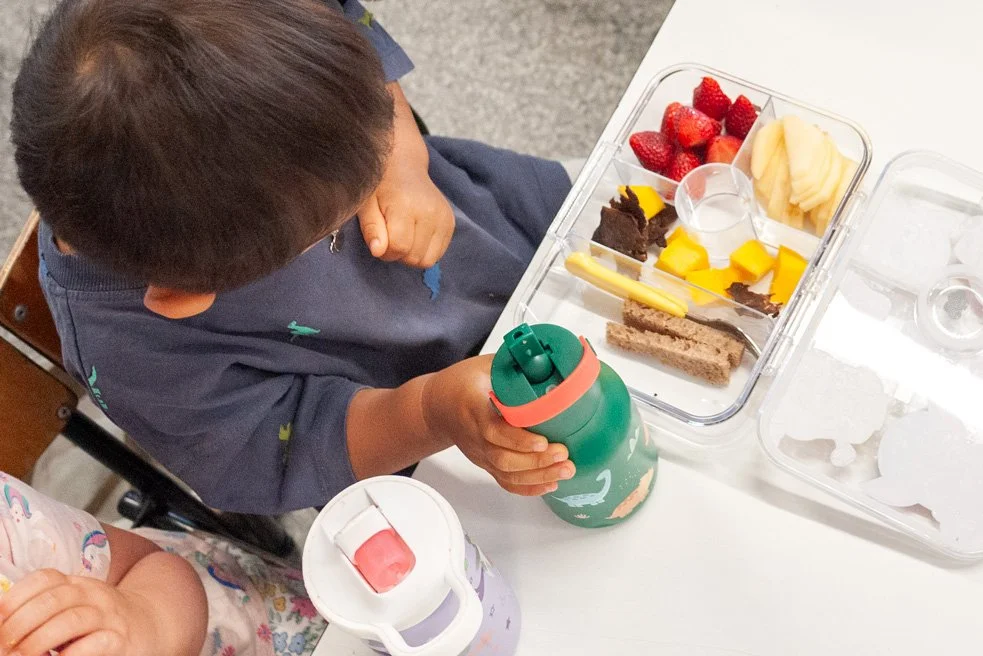
You could try cutting foods into fun shapes, using a cookie cutter or use fruit & veges to make a face on the place. Some children really like divided plates where new foods don’t touch the foods they trust! Fruit on a stick is always a winner at kindy, and if children can make it themselves it’s often surprising what they will choose!
Try dips or sauces to add interest and flavour.
Stay calm
Never force your child to eat food. Remember repeated exposure is what works for a new food to be accepted. When children feel safe, curiosity grows. When curiosity grows children will tend to try new things.
When should parents be concerned?
If your child is losing weight or not growing as expected
Eats fewer than 10 foods total
Shows extreme anxiety or distress around food
A GP or a paediatric dietician can help. If you’re worried don’t wait. Early support makes a big difference.